
PRIVATE CONSULTING
Investment Diamond Consulting
Quality, documentation and market context. This is a collector consultation topic, not an investment product or a promise that a stone or piece will preserve value.
A diamond should be considered as an individual stone. Match any grading report and report number to the diamond under discussion; then compare the four Cs with its visible character, condition and proposed use. A grade alone does not establish a fair asking price or a future resale price. GIA’s sample diamond report shows what a grading document records.
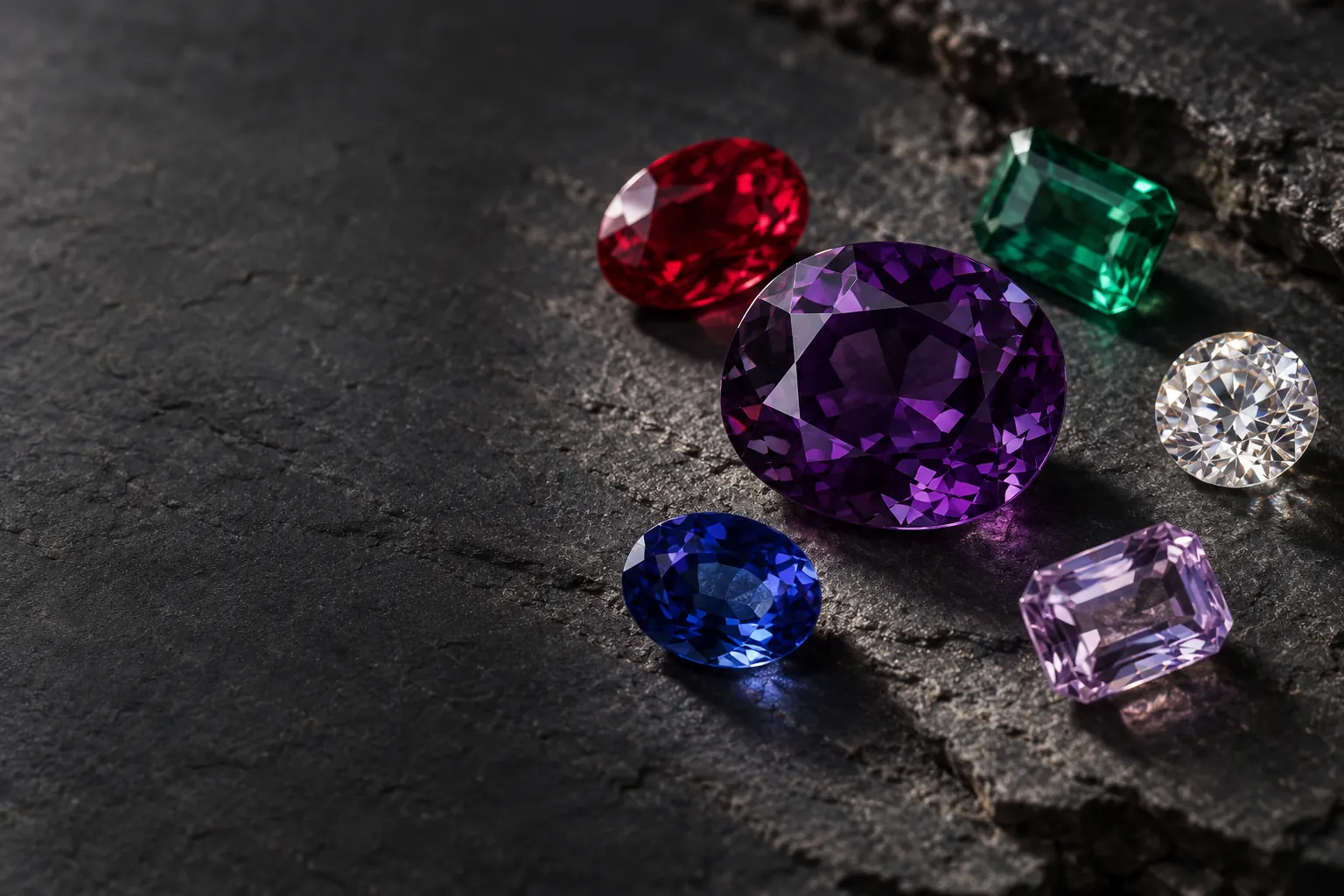
Read the report, then examine the stone.
Review the available grading information, the characteristics described in the report, the identity of the stone and the relationship between the report and the material being considered. Ask about condition, any disclosed treatment, and the practical implications of the intended ownership period. Compare the report with the specific diamond rather than a listing summary, and ask how insurance, storage and a potentially limited resale market affect the decision. If the diamond is set in a piece, jewelry consulting considers the whole design and condition; investment jewelry consulting focuses on collectability and long-term ownership questions.
Report, price and liquidity questions
- What documentation is available for this specific diamond?
- How do the stated characteristics relate to its appearance?
- What has been disclosed about treatment or condition?
- What ownership, insurance and potential resale questions remain?
Define the diamond brief before a decision
Share the type of material or piece you are considering, your reason for collecting it and the decisions you want to explore. The first conversation is used to define a suitable scope and clarify what information is available. It does not confirm the quality, origin, treatment status, price or authenticity of material that has not been assessed.
Match the report to the stone.
Verify the report against GIA’s record and match its identifying details to the stone where possible. Then compare the four Cs with appearance and condition. A grading report does not establish an asking or future resale price.
Compare total ownership questions.
The proposed purchase terms, setting, insurance, storage and any independent appraisal needs belong in the same decision file. A long intended holding period does not remove the possibility of an earlier sale.
Record the limits.
Keep the report, transaction description and unanswered questions together. If a value, tax, legal or regulated financial question arises, identify the appropriate independent specialist rather than treating a gemstone consultation as that advice.
Documentation and the next generation
Keep the relevant records with the collection and separate documented information from assumptions. Where an independent laboratory assessment, valuation, tax, legal, insurance or regulated financial advice is needed, that requirement should be identified rather than presented as part of an unconfirmed service.
Does a high diamond grade mean it will hold value?
No. A grade describes characteristics, while paid price, market conditions, ownership costs and eventual buyer demand are separate uncertainties. Link Jewelry Consulting where the diamond is set in a piece.
Stone values can fluctuate. Resale is not guaranteed. Precious stones may be difficult to sell and ownership costs can affect the outcome.