
PRIVATE CONSULTING
Investment Ruby Consulting
Color, treatment and provenance considerations. This is a collector consultation topic, not an investment product or a promise that a stone or piece will preserve value.
Compare the individual ruby under consistent light: look at hue, tone, transparency, cut and visible inclusions. An origin label adds context but cannot replace the stone or its report. GIA’s ruby buyer’s guide advises against treating origin as a guarantee of quality or value and calls for written treatment information.
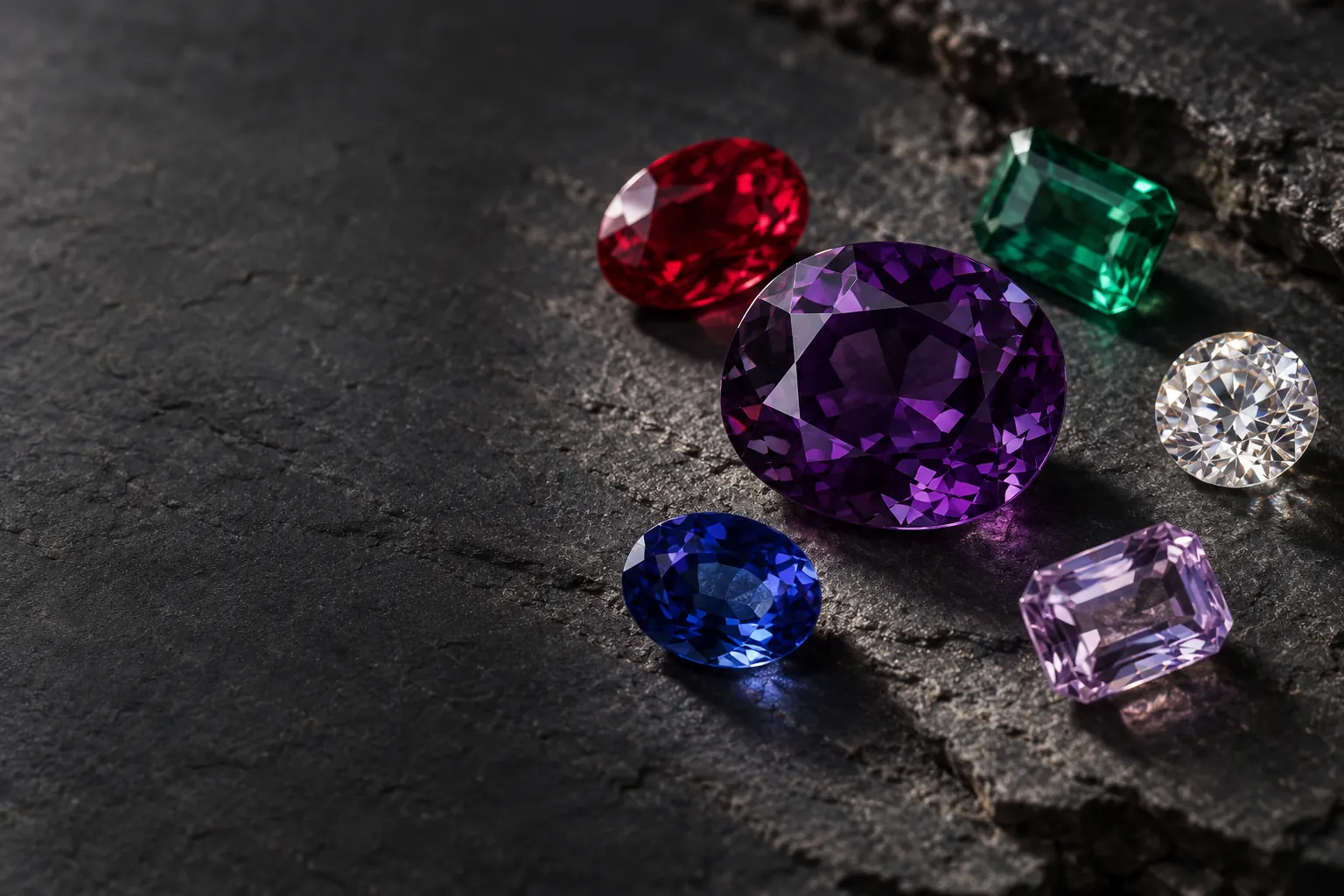
Evaluate the red you can actually see.
Consider color and character alongside treatment disclosures and any origin information. The scope can identify the questions that matter for the particular material and your intended ownership period. Ask what an independent report says about the specific ruby and which conclusions remain uncertain. A claim of rarity needs context; a high asking price is not proof of future retained value. Compare the broader framework in colored stone consulting before making an enquiry about a ruby.
Treatment disclosure changes the brief
- What treatment information is disclosed and documented?
- What supports any origin statement for this ruby?
- How do quality and character relate to the proposed price?
- What should be understood about condition and possible resale?
Discuss the individual ruby and its record
Share the type of material or piece you are considering, your reason for collecting it and the decisions you want to explore. The first conversation is used to define a suitable scope and clarify what information is available. It does not confirm the quality, origin, treatment status, price or authenticity of material that has not been assessed.
Appearance first.
Compare hue, tone, transparency, cut and inclusions under a consistent viewing setup. Country of origin alone cannot establish quality or value.
Read the treatment line.
Request written disclosure and read the laboratory’s exact conclusion. Heating, diffusion and filling are different questions; do not infer an untreated stone from an incomplete statement.
Keep a ruby-specific file.
Tie the report and any origin opinion to the particular ruby, noting limitations, purchase terms and the possibility of difficult resale.
Documentation and the next generation
Keep the relevant records with the collection and separate documented information from assumptions. Where an independent laboratory assessment, valuation, tax, legal, insurance or regulated financial advice is needed, that requirement should be identified rather than presented as part of an unconfirmed service.
Does GIA give rubies one overall grade?
No. GIA describes characteristics, natural or laboratory-grown status, detectable treatments and sometimes an origin opinion; it does not issue an overall ruby grade. Read the GIA ruby buyer’s guide.
Stone values can fluctuate. Resale is not guaranteed. Precious stones may be difficult to sell and ownership costs can affect the outcome.